
What Size Air Conditioner Do I Need? A GTA Homeowner’s Sizing Guide
What Size Air Conditioner Do I Need? A GTA Homeowner’s Sizing Guide
A brand-new three-ton Goodman sitting on a pallet in a Burlington driveway. The homeowner ordered it online after reading that you need “1 ton per 500 square feet.” His house was 1,500 square feet, so three tons seemed right.
Except his home had a walkout basement with floor-to-ceiling south-facing windows, cathedral ceilings in the living room, and attic insulation so thin you could read a newspaper through it. That unit would’ve short-cycled within weeks. Running for five minutes, shutting off, running again. Never pulling humidity out of the air properly. Killing the compressor years before its time.
At First Choice Heating & Air Conditioning, we’re a TSSA-certified licensed HVAC contractor. Our certified gas technician team has sized many different systems for homes in Oakville, Mississauga, Burlington, and everywhere in between. That “1 ton per 500 square feet” shortcut is exactly the kind of thing that leads homeowners to waste their money. Let us walk you through how sizing actually works.
Why the Square Footage Formula Doesn’t Cut It
Every online forum and home improvement blog pushes some version of the same rule: divide your square footage by 400 or 500, and boom, there’s your tonnage. It’s clean, simple, and flat-out wrong often enough to cost you thousands.
Square footage tells you the area of your floor plan, not how much heat your home actually gains on a 35°C afternoon. Two houses with identical footprints can need completely different cooling capacities. The difference comes down to insulation quality, window placement and type, ceiling height, which direction the house faces, and even the colour of your roof shingles.
Consider two 1,400-square-foot homes. One is a bungalow in Oakville built in 1965 with the original insulation and single-pane windows. On a hot July day, that house might honestly need a 3.5-ton system to stay comfortable. The other is a semi-detached built in 2020 to current Ontario Building Code standards, with proper vapour barriers, double-pane low-E windows, and R-60 attic insulation. That one might run beautifully on 2 tons.
Same floor area. Nearly double the difference in cooling requirements.
How the Pros Actually Size Your System
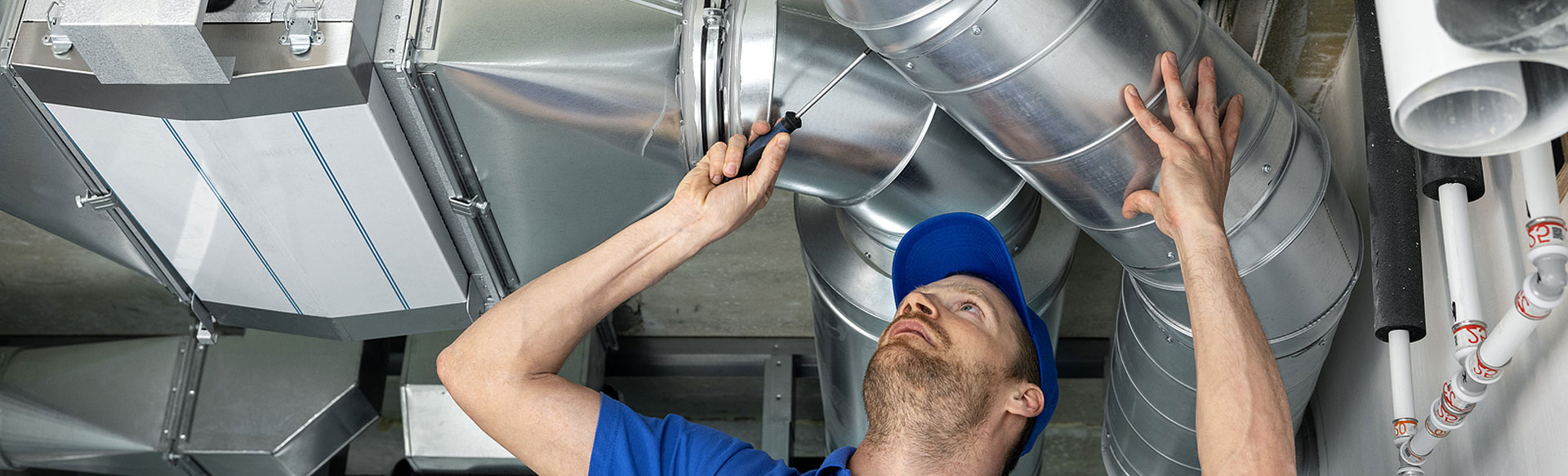
The proper method for sizing an air conditioner is a Manual J heat load calculation. It was developed by ASHRAE and the Air Conditioning Contractors of America, and it’s the industry standard that any decent HVAC company runs before recommending equipment.
A Manual J accounts for everything that drives heat into your home:
Building envelope. Wall insulation type and thickness, attic insulation depth, basement conditions. Older homes across the GTA have wildly inconsistent insulation. I’ve opened up attics in Etobicoke where half the space had 12 inches of blown-in cellulose and the other half had nothing but bare plywood over the ceiling drywall.
Windows. Size, orientation, and glass type matter more than the total count. A wall of west-facing windows dumps massive solar heat into your living room every afternoon. Double-pane low-E windows cut that gain roughly in half compared to old single-pane units. It’s about where they face and what glass you’ve got, not how many there are.
People and appliances. A family of four with a home office running two monitors all day and a kitchen cooking three meals generates way more internal heat than a retired couple in an empty nest. That adds up on your cooling load.
Climate data. Manual J uses historical weather specific to your region. Toronto’s design cooling temperature, the outdoor temp used for worst-case calculations, sits around 33°C. Your system gets sized to handle that benchmark.
Most contractors who do this right charge $200 to $500 for a standalone Manual J, or they include it with a full installation quote. If someone gives you a tonnage number after spending five minutes looking around your basement, get a second opinion.
The Real Cost of Getting It Wrong
Oversized. This is the more common mistake, and we see it all the time because people assume bigger means better. An oversized AC drops the air temperature fast but shuts off before it has time to remove moisture. Your thermostat reads 22°C but the air feels sticky and damp. The constant start-stop cycling beats up the compressor and can knock 3 to 5 years off the equipment’s life. You paid more for a bigger unit and it performs worse.
Undersized. Less common but no less painful. The system runs non-stop on hot days and never hits the temperature you set. Your hydro bill climbs. The compressor overheats from sustained full-load operation. According to Natural Resources Canada, a properly sized system runs in longer, steadier cycles, not marathon sessions.
AC Sizing Chart for GTA Homes
Here’s a practical starting point based on what we’ve seen across many homes in Oakville, Mississauga, Burlington, and the wider GTA. These are ranges, not guarantees. A proper Manual J is the only way to know for sure.
| Home Type | Approx. Size (sq ft) | AC Size (tons) | AC Size (BTU) |
|---|---|---|---|
| Condo or townhouse | 800 – 1,200 | 1.5 – 2 | 18,000 – 24,000 |
| Semi-detached or small bungalow | 1,200 – 1,800 | 2 – 3 | 24,000 – 36,000 |
| Detached two-storey | 1,800 – 2,500 | 3 – 4 | 36,000 – 48,000 |
| Large detached or custom build | 2,500 – 3,500 | 4 – 5 | 48,000 – 60,000 |
| Estate or multi-zone home | 3,500+ | 5+ (or dual system) | 60,000+ |
A few things to keep in mind with these numbers. Condos and middle-floor townhouses benefit from shared walls, which cuts heat gain significantly. Bungalows with large attic footprints often need more cooling than two-storey homes of the same square footage because of all that roof exposure. For large homes in areas like Glen Abbey or Bronte in Oakville, I frequently recommend two smaller systems instead of one big unit. You get better zone control, more even temperatures between floors, and backup cooling if one system ever needs service.
Natural Resources Canada and ENERGY STAR® Canada both recommend having a qualified contractor perform a full heat load assessment before investing in new HVAC equipment.
What Can Change Your Sizing Needs
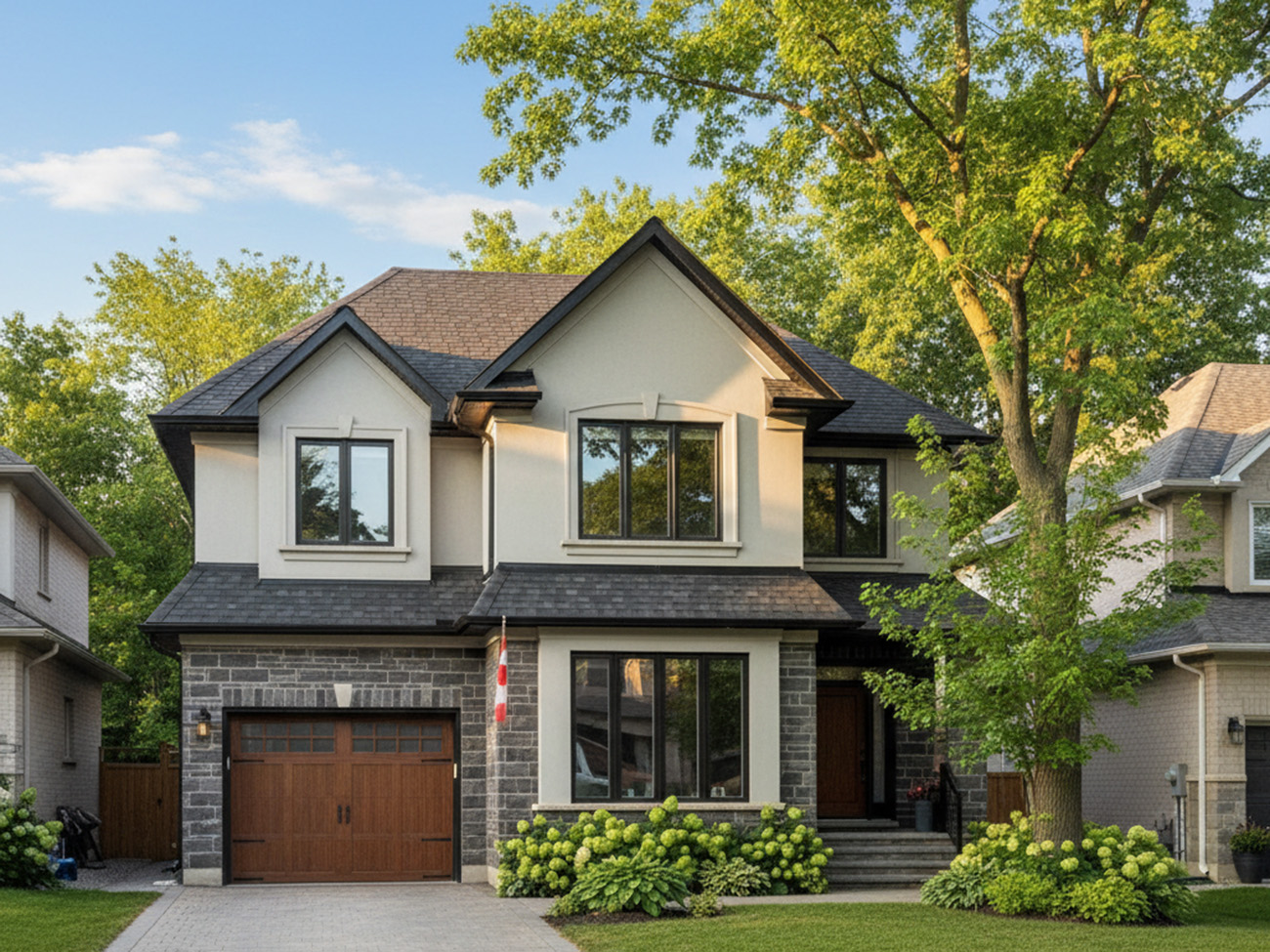
Even houses side by side on the same street can need different equipment. Here’s why.
Insulation upgrades. If you’ve blown new insulation into your attic or swapped out old windows in the last few years, your cooling load has dropped. A system that was sized correctly ten years ago might now be oversized. It’s worth recalculating before you replace anything.
Renovations that add space. Finished basements, sunroom additions, or converted garages add cooling demand that your original system was never sized to handle. Your existing AC might struggle after a reno even if it handled things fine before.
Tree coverage. Mature trees shading your roof and west-facing walls cut solar heat gain by up to 25%. When those trees come down, whether from an ice storm, disease, or a neighbour’s landscaping project, your cooling needs jump noticeably.
Ductwork condition. Leaky, undersized, or poorly designed ducts can force you into a larger system than you’d actually need with proper ductwork. I always inspect the ducts before recommending a size. Sometimes the fix is sealing and insulating the ducts, not upsizing the equipment.
What We Do at First Choice
At First Choice Heating & Air Conditioning, we size every system with a full Manual J calculation. No shortcuts, no guessing. We’re a Goodman Private Label Plus Dealer and a Rinnai Pro installer, and we carry Daikin, Amana, Lennox, Clean Comfort, Rheem, and Bradford White as well. Every job gets one of our own TSSA-licensed technicians, not a subcontractor. We’ve been at this for years, we’re available 24/7, and we’re trusted by homeowners across the GTA.
FAQ
What happens if my AC is one size too big?
Short-cycling, poor humidity control, and higher electricity bills. The unit cools the air fast but doesn’t run long enough to pull moisture out. Your thermostat might read 22°C but the air feels sticky. Over time, the constant on-off cycling damages the compressor and shortens the life of your equipment.
Can I just match the size of my old unit when replacing?
Only if the old unit was correctly sized in the first place and nothing about your home has changed since it was installed. If you’ve added insulation, replaced windows, or finished a basement, the old sizing is out of date. A fresh Manual J calculation takes the guesswork out of it.
Does ceiling height affect AC sizing?
Yes, it does. Standard 8-foot ceilings are what most sizing rules assume. Nine and ten-foot ceilings add 10 to 15% more air volume per room. Cathedral or vaulted ceilings in a living room can push the cooling load for that space up by 20% or more.
How much does a Manual J calculation cost in the GTA?
Between $200 and $500 if done on its own. Most reputable HVAC contractors include it free with an installation quote. If someone offers to size your system without doing any measurements or calculations, that’s a red flag. Walk away.
What brand should I choose once I know the right size?
That depends on your budget, efficiency goals, and whether you need a furnace matched to the same system. Brands like Goodman, Daikin, and Lennox all make solid equipment in the right size for your home. The installation quality matters more than the name on the box. A perfectly sized unit installed by a qualified technician will outperform a slightly more expensive model that was slapped in wrong.
Before shopping for a new system, check the nameplate on your current outdoor unit. The model number usually encodes the BTU rating in the first two digits after letters. Divide by 12 to get tons. Then ask yourself: has it struggled through the last few summers, or does it short-cycle constantly? Either way, that’s a sign the sizing might be off.
If you want a proper Manual J done for your home, reach out to us at First Choice Heating & Air Conditioning at 905-334-7885 or request a free quote online. We’ve been serving Oakville, Mississauga, Burlington, and across the GTA for years, and we’ll make sure you get exactly the capacity your home needs, nothing more.
Why Choose Us
We are leading HVAC company in GTA, specializing in the sales, installation, maintenance, and repairs of all HVAC units.