
Heating Problems in Older GTA Homes Nobody Talks About at the Dinner Table
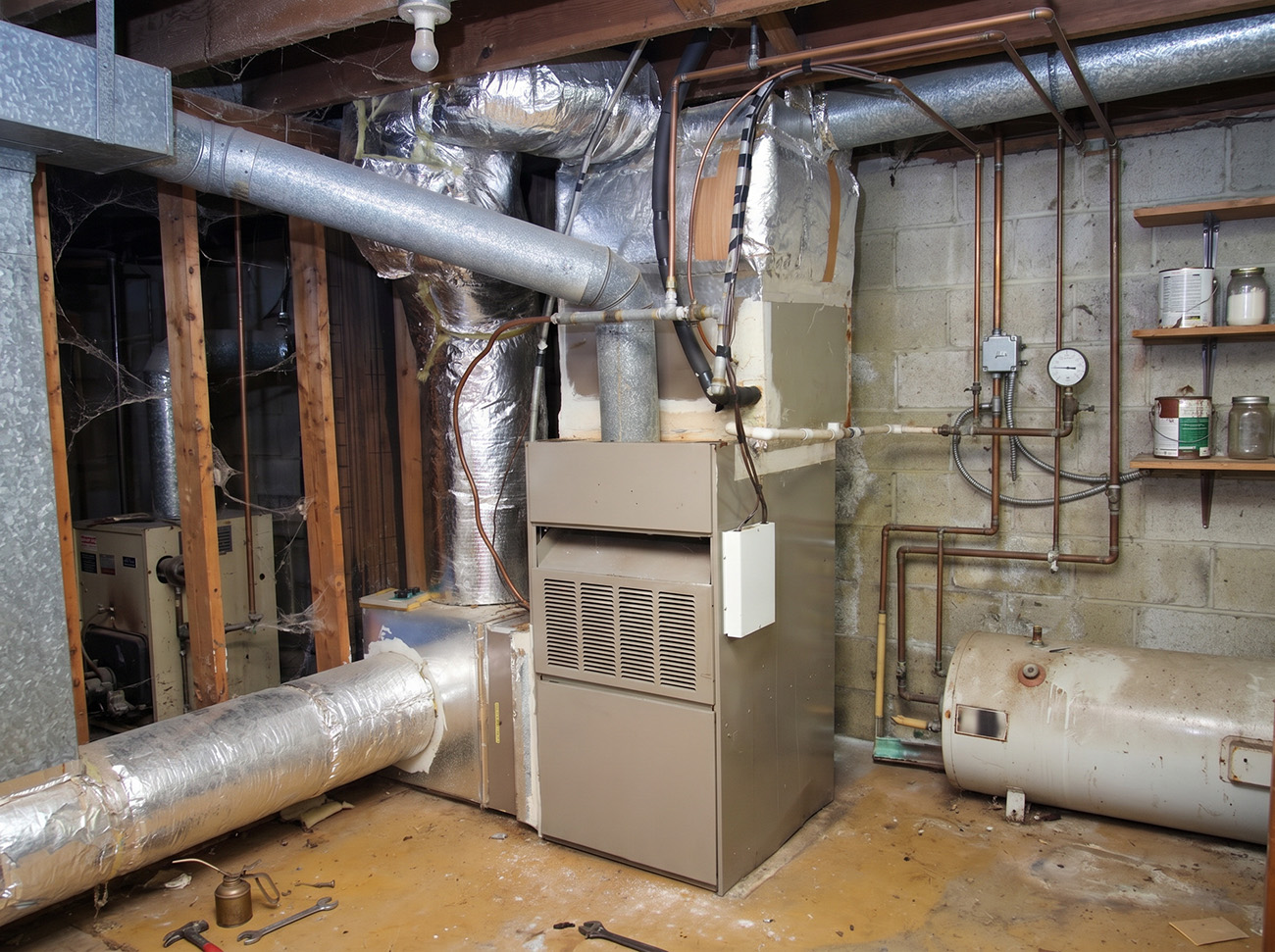
Last February, we pulled up to a brick bungalow in Old Oakville, 1952 build, gorgeous heritage details. Homeowner had just spent $7,000 on a brand-new high-efficiency furnace and couldn’t figure out why the second floor was still sitting at 17°C while the main floor roasted at 23°C.
Brand-new equipment. Twentieth-year-old problem.
The furnace was fine. The ductwork feeding the second floor was a different story—undersized runs crammed into walls during a 1980s renovation, uninsulated where they crossed the attic, and half the supply registers were blocked by the homeowners’ furniture arrangement. That’s older-home heating in a nutshell. The equipment gets replaced, but the bones around it stay exactly as they were.
At First Choice Heating & Air Conditioning, our team knows older GTA homes well. We’re a TSSA-certified licensed HVAC contractor. Our technicians have worked on radiator systems in The Beaches, steam boilers in High Park, forced-air setups wedged into hundred-year-old farmhouses in north Burlington, and everything in between. Older homes are where the most interesting problems live — and where good diagnostics matter most.
Here’s what we run into most often across the older neighbourhoods of Oakville, Mississauga, Burlington, and Toronto.
Radiator Systems That Nobody Wants to Talk About
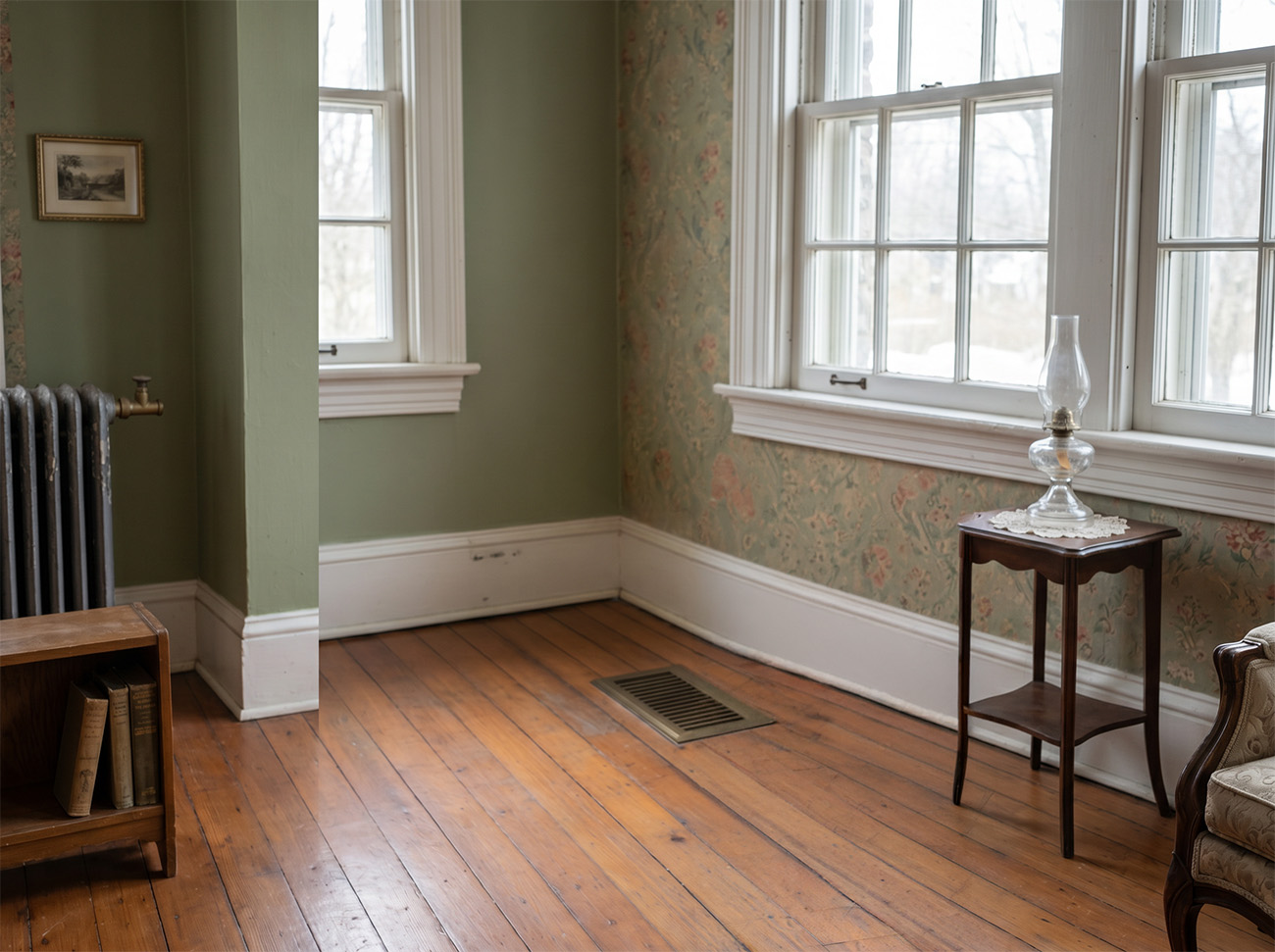
Walk into any home in Leaside, High Park, or the older parts of Mississauga near the lake, and there’s a good chance you’ll find cast-iron radiators still bolted to the walls. Some of these systems are genuinely great, quiet, comfortable, built to outlast everyone reading this. But they come with problems that don’t exist in forced-air homes.
The most common issue is air trapped in the system. One radiator burns hot, the next one stone cold. A radiator key costs five bucks at any hardware store. Open the bleed valve at the top of each unit until water runs steady with no sputtering. Start furthest from the boiler and work back. That alone fixes about a third of the uneven-heating calls we get.
Mineral buildup inside pipes is the quieter problem. Decades of water flow leave deposits that narrow the passages. One radiator gets too much, another gets nothing. A hydronic balancing (adjusting flow valves at each radiator) takes a couple of hours and makes a real difference. Most radiator homes in the GTA have never been professionally balanced. Not once in fifty years.
Then there’s the big question: should you convert from radiators to forced air?
Forced air gives you central AC and better filtration. But conversion runs $8,000 to $15,000 in a finished home because you’re cutting holes through walls and ceilings. In a lot of these older homes, a Rinnai tankless water heater paired with a ductless heat pump for summer cooling gets you most of the comfort upgrade without tearing apart plaster walls.
Asbestos Ductwork: The Problem That Stops People Mid-Sentence
Here’s one that comes up in pre-1970s homes across Etobicoke, Mississauga, and older parts of Oakville. You lift a register cover and see white-grey material wrapped around the duct trunk. Looks like cardboard or papier-mâché.
That’s asbestos-containing insulation on the ductwork, standard practice until the late 1970s. According to Health Canada, asbestos insulation in homes becomes a concern when the material is friable, crumbling or releasing fibres into the air. If it’s intact and undisturbed, it’s generally left in place.
But here’s where it matters for your heating: homeowners with asbestos-wrapped ductwork often have the original, undersized trunk lines underneath all that insulation. When we’re called in to assess airflow problems, we can’t just start cutting into or removing that material. It needs professional abatement first. That’s a separate contractor, separate cost, usually $2,000 to $6,000 depending on how much is there.
We’ve walked into basements in Burlington heritage homes where every inch of ductwork was wrapped in the stuff. The homeowner wanted better airflow, and we had to explain that an abatement crew had to come in before we could touch the heating system.
Knob-and-Tube Wiring Meets Modern Furnace Requirements
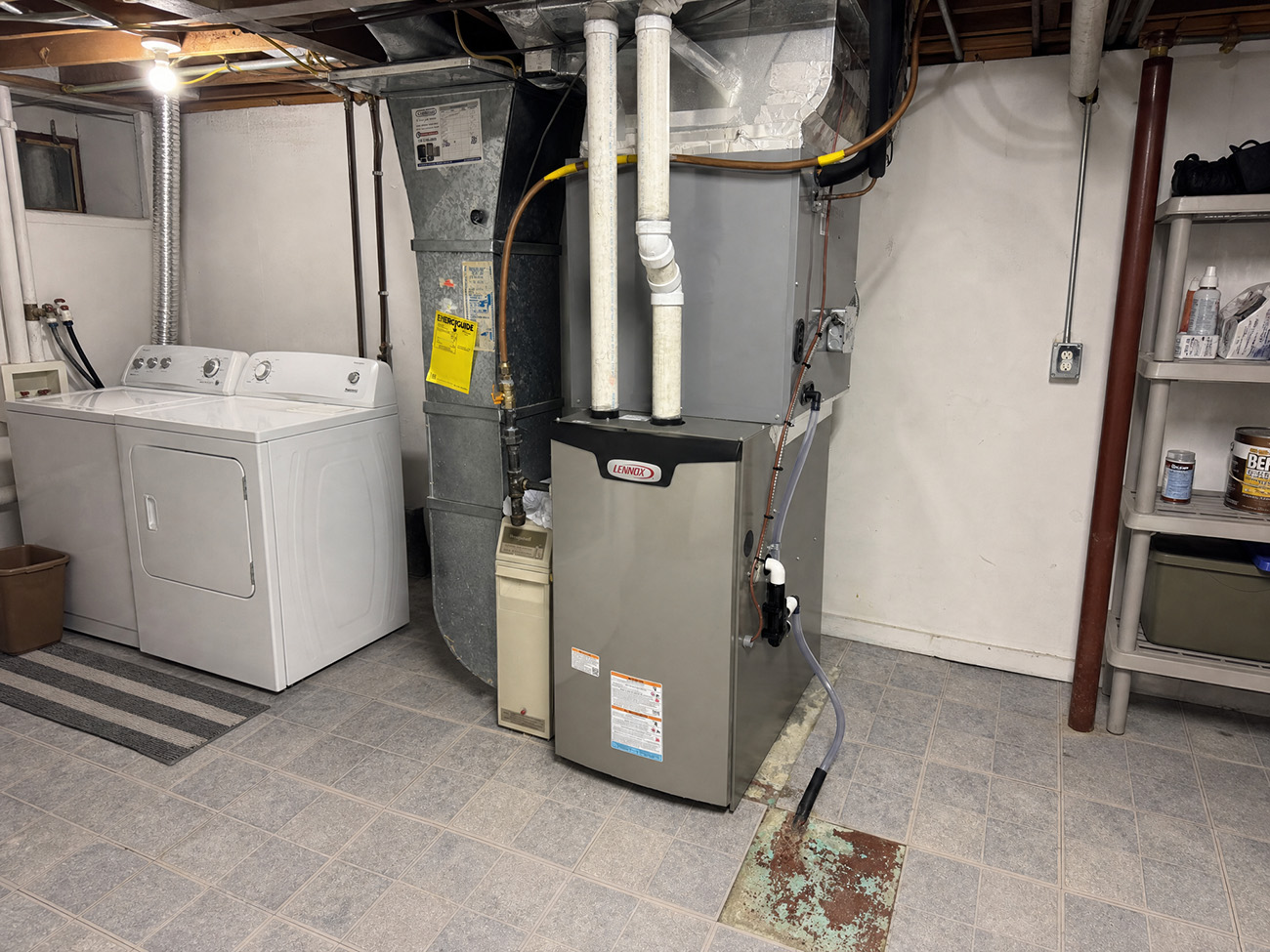
This one’s specific to pre-1940s homes, common in Riverdale, Cabbagetown, parts of Oakville’s First Nations Tract, and older Mississauga neighbourhoods near Cooksville. Knob-and-tube was the standard electrical system in Canadian homes built before about 1945.
The problem isn’t that it’s inherently dangerous. It’s that modern furnace installations draw significantly more current than these homes were designed to handle. A Lennox or Goodman high-efficiency furnace with an ECM blower motor needs a dedicated circuit, proper grounding, and often an electrical panel upgrade to meet current Ontario Electrical Safety Code requirements.
We’ve been on jobs in east-end Toronto where we couldn’t install a new furnace because the electrical panel was a 60-amp fuse box from 1938. The furnace needed a 200-amp panel—$3,000 to $5,000 in electrical upgrades before any HVAC work starts. The Electrical Safety Authority has clear guidelines on knob-and-tube wiring, and insurance companies increasingly require its removal as a coverage condition.
It’s not something most homeowners think about when they call for a furnace quote. It should be.
Undersized Ductwork: The Silent Comfort Killer
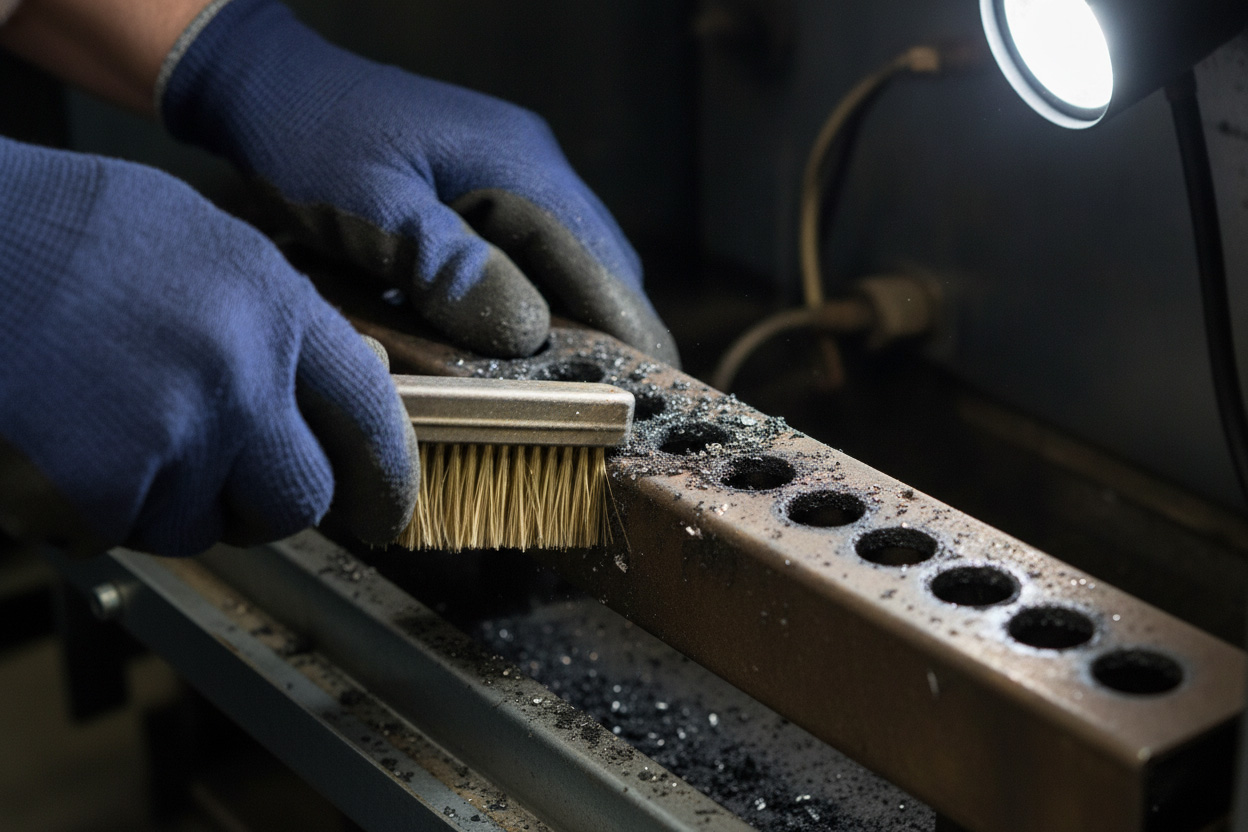
This is probably the issue we see most across the board. A homeowner in Mississauga’s mine subsidence area calls because their new furnace doesn’t heat the house properly. The ductwork was sized in 1965 for the original oil burner, twice the physical size but half the airflow efficiency of a modern unit.
Modern high-efficiency furnaces from brands like Amana and Daikin move air differently. They’re designed for specific static pressures and airflow volumes. When you hook up a 96% AFUE furnace to ductwork sized for a 60% AFUE oil burner, the system can’t breathe. High static pressure makes the blower work harder, shortens equipment life, and leaves rooms underheated.
The fix ranges from simple to involved. Sometimes opening up undersized or blocked returns is enough. Other times we’re running new supply trunks to rooms that never had adequate airflow. In severe cases, especially homes with additions added without updating ductwork, the cost runs $4,000 to $8,000.
At First Choice Heating & Air Conditioning, we do a proper heating assessment before recommending equipment. Pushing a new furnace into ductwork that can’t support it is a waste of your money, and we won’t do it.
Chimney Deterioration and Venting Problems
Homes built before 1990 in the GTA almost always had a masonry chimney designed to vent whatever heating equipment sat in the basement, usually an oil burner or an older natural gas furnace.
When you upgrade to a modern high-efficiency condensing furnace, like a Rheem or Goodman modulating unit, the exhaust gases are cooler and contain water vapour. These furnaces can’t vent through a standard masonry chimney. They need dedicated PVC or ABS plastic venting piped directly outside through the side wall. Enbridge Gas requires that all venting changes be completed by a licensed gas technician.
The old chimney, now unvented, starts deteriorating from the inside. Moisture from rain and condensation has no warm exhaust to dry it out. Brick spalling, mortar crumbling, white efflorescence stains on the exterior wall. In some heritage homes in downtown Oakville and older Burlington, we’ve seen chimneys structurally compromised to the point of needing a rebuild.
Leaving an unlined chimney open after removing the old furnace is a code violation. The HRAI recommends proper venting upgrades with every equipment change. We always recommend either lining the chimney for a water heater or properly capping and sealing it. Bradford White makes excellent tank-type water heaters that can share a properly lined chimney vent if the setup meets code.
Drafty Windows and Insufficient Insulation
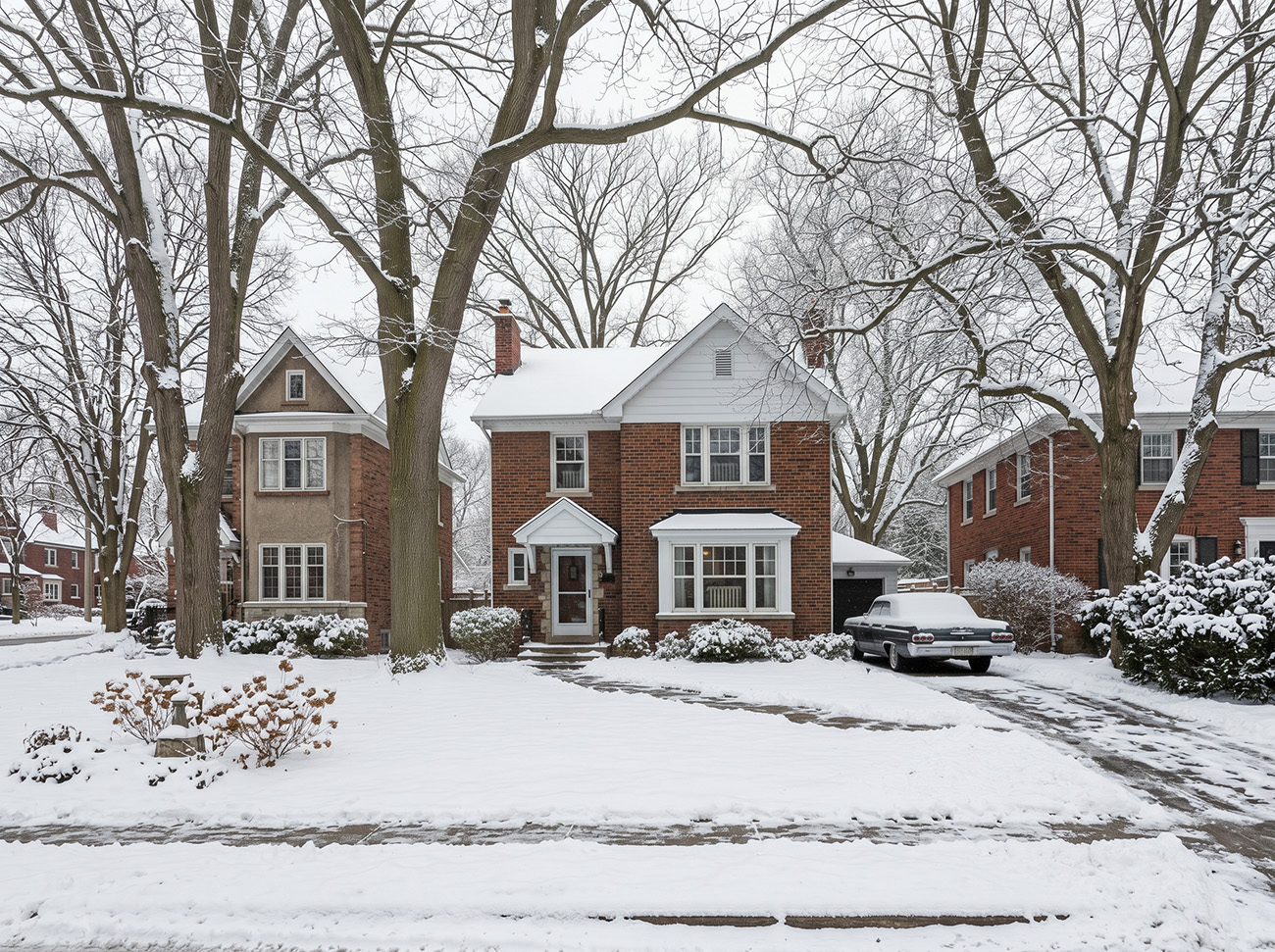
Walk through any pre-1980s home in the GTA in January. Cold air streaming around single-pane windows. Exterior walls noticeably cool to the touch. Floors above unheated crawl spaces that freeze your feet through your socks.
Natural Resources Canada estimates that air leakage accounts for 25 to 40% of heat loss in homes built before 1980. Your furnace could be running perfectly and still not keep up because the heat escapes faster than the system can replace it.
The rim joist is the biggest culprit nobody knows about. It’s the wooden band where your foundation meets the first-floor framing, uninsulated in virtually every pre-1990 GTA home. Spray foam or rigid foam board there costs $500 to $1,500 for a typical basement and cuts heat loss through that area by 15 to 25%.
Attic insulation is the other major one. Many older homes in Mississauga and Burlington have six inches of fibreglass batts settled into maybe three inches of actual coverage. Blowing in R-50 cellulose costs $2,000 to $4,000 and pays for itself in lower bills within three to five years.
Window replacement is the most visible upgrade but also the priciest at $500 to $1,200 per window. Most homeowners we work with tackle the worst-performing windows first, usually north and west-facing, and spread the rest over a few years.
FAQ
My house was built in the 1950s with radiators. Is it worth converting to forced air?
Only if you need central air conditioning or your radiator system is failing beyond repair. Conversions cost $8,000 to $15,000 plus the cost of the furnace itself. If the radiators still heat well and you don’t mind window units or a ductless system for summer cooling, keep what you have. It’s likely cheaper and less disruptive.
I think I have asbestos duct insulation. What should I do?
Don’t touch it. If the material is intact and not crumbling, leave it alone. It’s not actively releasing fibres. If it’s damaged or you’re planning renovations that would disturb it, hire a certified asbestos abatement contractor. They’ll contain and remove it safely. Once that’s done, you can have an HVAC contractor properly size and install new ductwork.
My furnace was just replaced but the second floor is still cold. What’s going on?
The furnace is probably fine. The ductwork feeding the second floor is likely undersized, poorly insulated, or both. Long duct runs through unconditioned attic spaces lose a lot of heat before the air reaches the rooms. A proper airflow assessment will identify exactly where the problem is. Sometimes the fix is as simple as adding insulation to the attic duct runs or adjusting dampers. Other times, it requires running new ductwork.
Can a new furnace be installed in a home with knob-and-tube wiring?
A modern furnace needs adequate electrical capacity, a dedicated circuit, and proper grounding. Many knob-and-tube systems don’t provide this. You may need a panel upgrade before the furnace installation can proceed. Have both an ESA-licensed electrician and a TSSA-licensed HVAC contractor assess your home before committing to equipment.
How much does it cost to fix heating problems in an older home?
It ranges widely. Bleeding radiators and adjusting dampers is essentially free. Adding return air or insulating attic duct runs $1,000 to $3,000. Re-engineering the whole ductwork system is $4,000 to $8,000. Asbestos abatement adds $2,000 to $6,000, and electrical panel upgrades run $3,000 to $5,000. All prices in CAD, installed, for the GTA market.
Take a thermometer. Walk through every room in your house: main floor, upstairs, basement. Write the numbers down. If the spread between your warmest and coldest room is more than 3 or 4°C, something in the system needs attention. It might be simple. It might be a bigger project. But it’s fixable, and it’s probably costing you money every month you wait.
First Choice Heating & Air Conditioning has been working on older homes across Oakville, Mississauga, Burlington, and the GTA for many years. We’re a Goodman Private Label Plus Dealer and a Rinnai Pro installer. Our own technicians (never subcontracted) handle every call, 24/7, backed by TSSA licensing, trusted by homeowners across the region. We know these old houses because we’ve been inside a great many of them.
Why Choose Us
We are leading HVAC company in GTA, specializing in the sales, installation, maintenance, and repairs of all HVAC units.