
Annual Furnace Maintenance: What a Professional Tune-Up Actually Includes
Soot caked around the burner tray. Flame sensor corroded to the point where ignition was failing every third cycle. The homeowner in Burlington hadn’t scheduled a tune-up in four years — she only called because her thermostat started showing “system delay” messages.
When we opened that furnace cabinet, the soot told the whole story. Incomplete combustion had been slowly degrading performance for months. Maybe longer.
At First Choice Heating & Air Conditioning, we help homeowners across Oakville, Mississauga, Burlington, and the GTA understand what a professional furnace tune-up actually includes. We’re a TSSA-certified licensed HVAC contractor, and our certified gas technicians service furnaces across the region every heating season. Most homeowners don’t know what really happens during a tune-up. And that knowledge gap costs them money, efficiency, and sometimes safety.
A furnace doesn’t suddenly fail. It degrades gradually — burning slightly more gas, running slightly longer, producing slightly more carbon monoxide. By the time something feels wrong, the damage has already been compounding.
What a Technician Actually Does During a Tune-Up
A real maintenance visit takes 45 to 90 minutes and covers roughly 20 inspection and service points. Here’s the breakdown.
The Safety Check Comes First
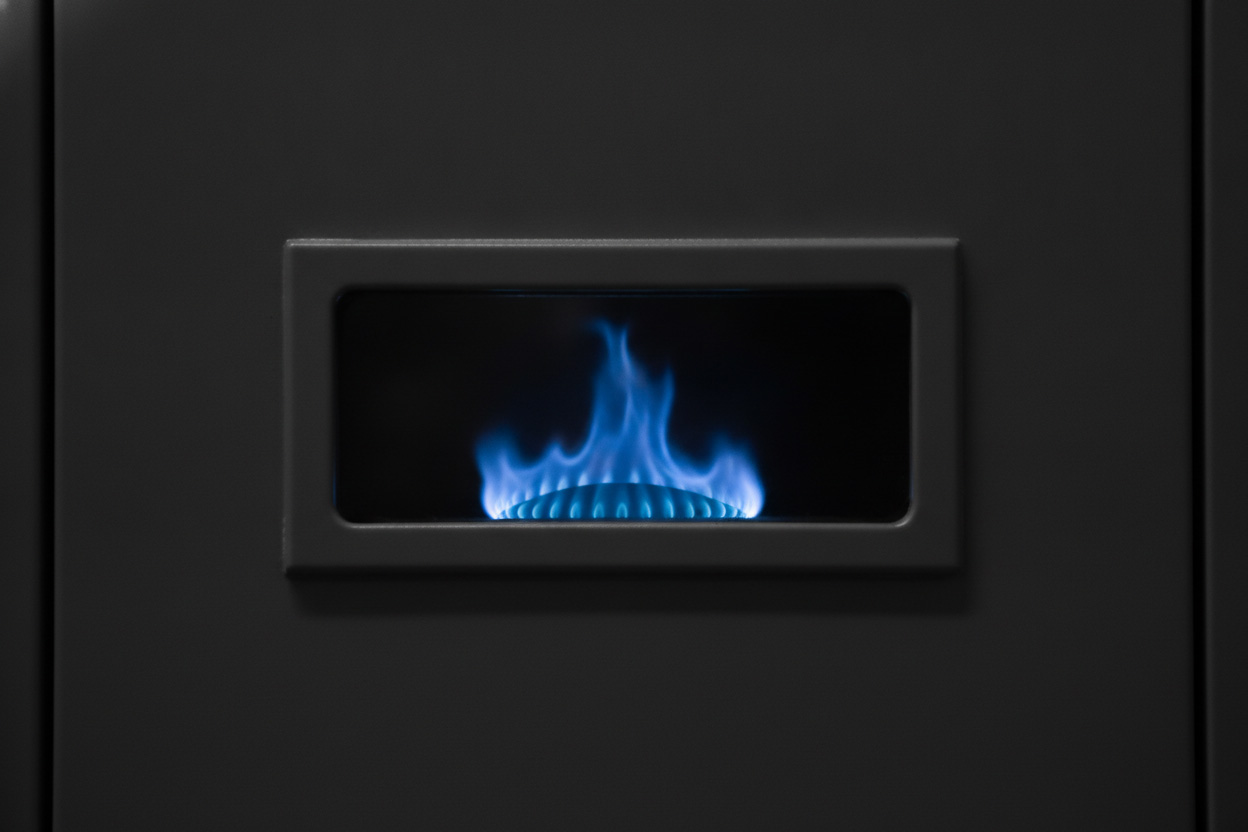
Before touching anything inside the furnace, we check the surrounding area. Flammable materials stored too close, blocked combustion air intakes, water pooling under the unit, rust stains on the cabinet, soot marks around the flue connection. These visual cues tell a story before we even pull out our tools.
Then we measure carbon monoxide. A combustion analyzer checks CO levels at the furnace cabinet, at nearby return vents, and at the flue pipe. Elevated readings at the cabinet flag a potential heat exchanger issue. Readings at the flue point to incomplete combustion — burner problems, dirty components, or gas pressure out of spec.
Five minutes of work. It catches problems that could otherwise go unnoticed for months. The Technical Standards and Safety Authority requires gas appliance work in Ontario to be performed by licensed technicians, and combustion analysis is one of the big reasons why.
Burner Cleaning and Ignition System
We pull the burner assembly and inspect each burner tube. Dust, spider webs, and debris accumulate inside burner ports during the off-season — you’d be surprised how many furnaces we open up in September and find cobwebs. Even a partial blockage alters the flame pattern and reduces combustion efficiency.
The ignition system gets inspected next. Most modern furnaces use a hot surface igniter — a small element made of silicon carbide or silicon nitride that glows white-hot to light the gas. They last roughly three to five years. A cracked igniter works intermittently at first, then fails completely. Usually on the coldest night of the year. Catching a hairline crack during a fall tune-up prevents exactly that scenario.
Then the flame sensor. This small metal rod confirms gas is actually igniting. When it gets coated with oxidation, it can’t detect the flame, and the furnace shuts down as a precaution. One of the most common winter service calls in the GTA. A cleaning takes about thirty seconds.
Thirty seconds to prevent a midnight no-heat emergency.
Heat Exchanger Inspection
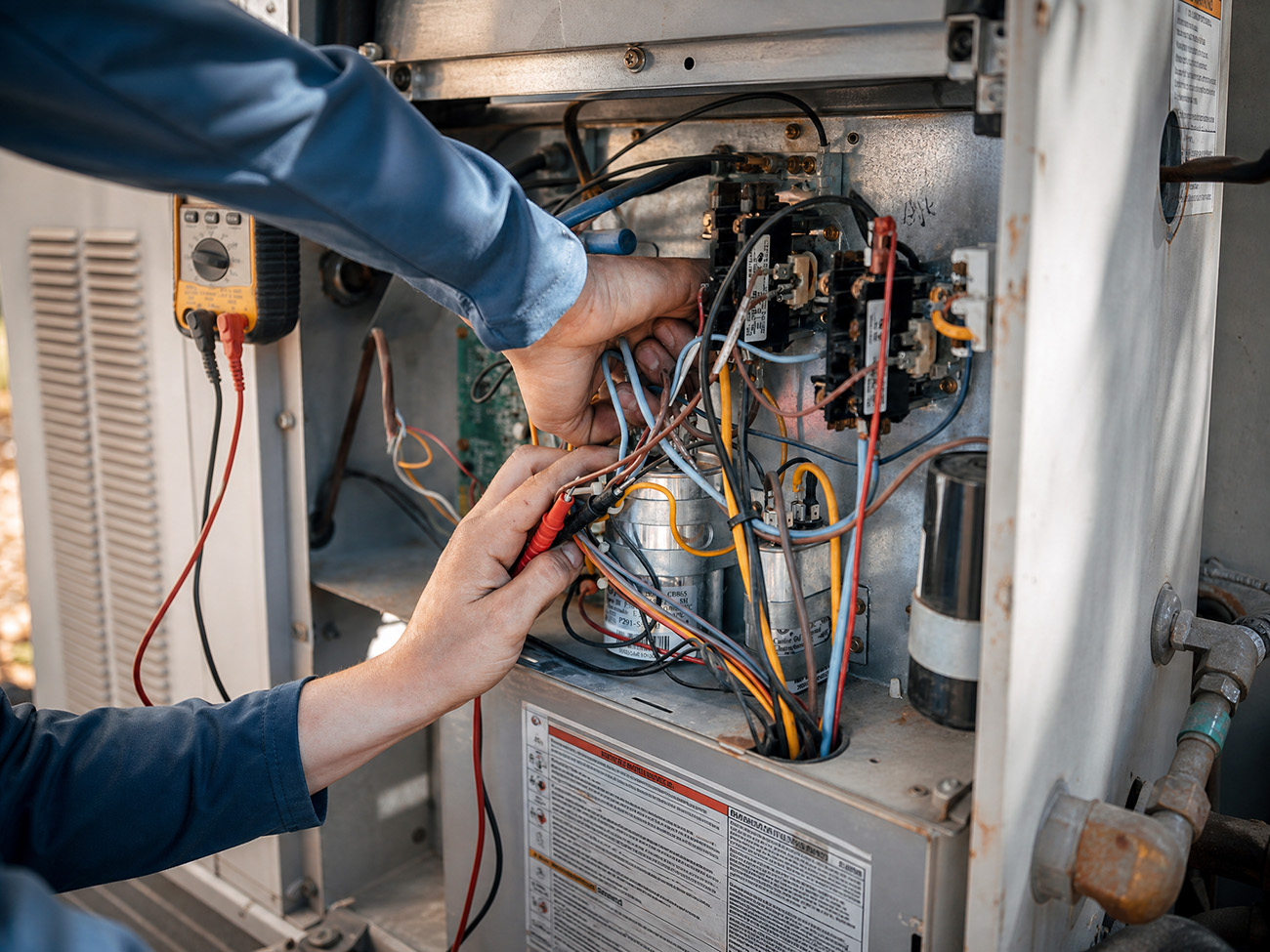
The most safety-critical component in your furnace. The heat exchanger is a sealed metal chamber separating combustion gases from the air circulating through your home. We inspect it under strong light — looking for discolouration, corrosion, rust-through, and cracks.
On older furnaces beyond 15 years, we’ll recommend camera inspection for areas not visible to the naked eye. A compromised heat exchanger is the primary source of residential carbon monoxide exposure from heating equipment. No safe repair exists for a cracked heat exchanger. The unit needs replacement.
Blower Motor and Airflow
The blower pushes heated air through your ductwork. We check motor amperage to verify it’s operating within spec — high amp draw means a failing motor or a dirty blower wheel forcing the system to work harder than it should.
A dirty blower wheel moves less air with more effort. Same principle as a ceiling fan caked in dust. We pull and clean it when buildup is significant, which improves airflow across the board and drops electricity consumption. According to Natural Resources Canada, regular maintenance can reduce heating costs by 5 to 15% annually. On a typical GTA winter gas bill of $1,800 to $2,200, that’s real money.
Belt-driven blowers in older furnaces need belt tension and alignment checked. Most newer units — Goodman, Lennox, Daikin, Rheem — use direct-drive ECM motors that don’t have belts.
Gas Pressure and Valve Testing
We measure manifold gas pressure against the manufacturer’s specs. Pressure too high wastes gas and overheats the heat exchanger. Too low produces weak flames and incomplete combustion. Most gas valves are adjustable, and a small correction during maintenance prevents a cascade of efficiency problems.
The gas valve gets a leak check with an electronic detector. Any leak, even a tiny one, requires immediate repair.
Venting and Flue System
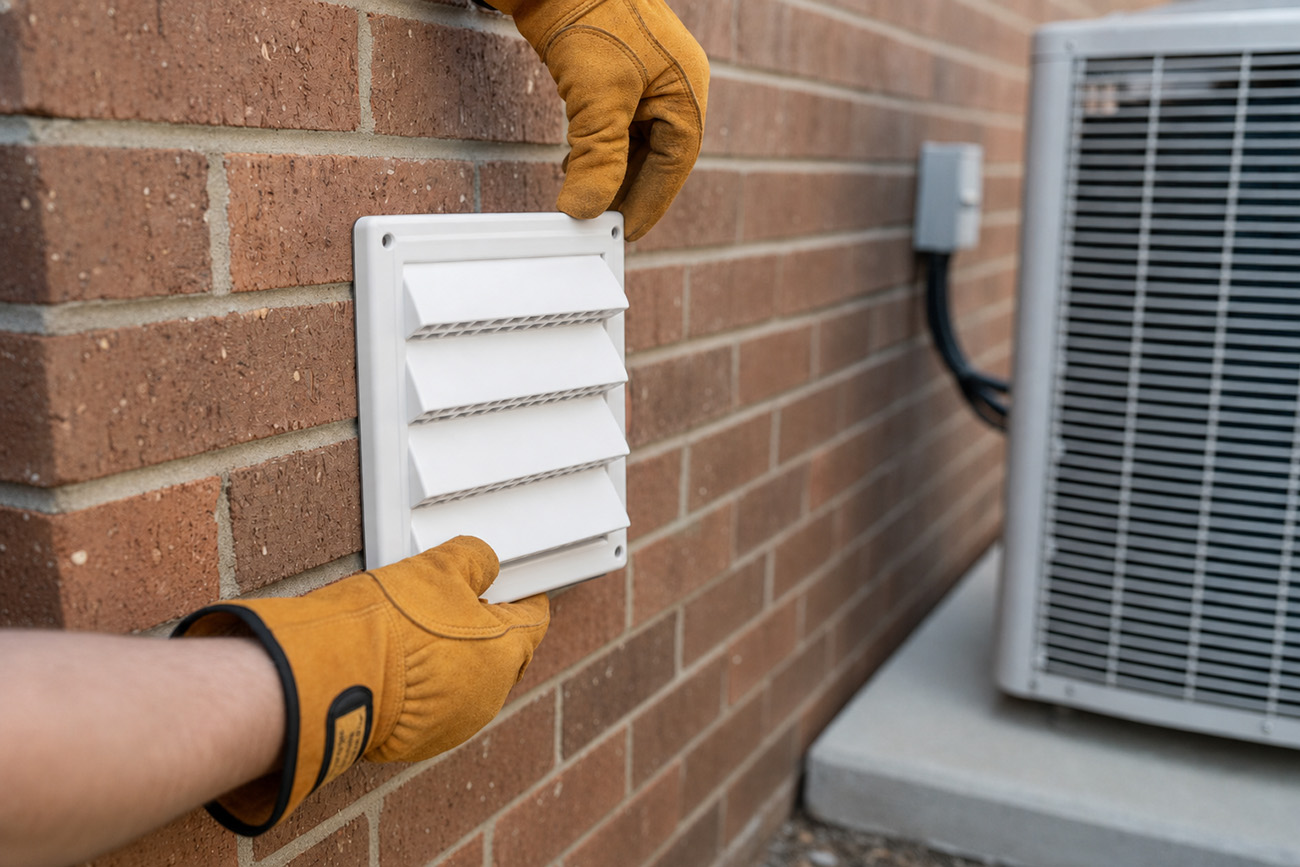
The entire exhaust path from furnace to exterior gets inspected. High-efficiency furnaces vent through PVC pipes through a side wall; mid-efficiency units use a metal chimney liner. Common problems: cracked PVC joints, sagging horizontal runs pooling condensate, snow or ice blocking the exterior termination, bird screens packed with debris.
Any obstruction can force combustion gases back into the living space. The Heating, Refrigeration and Air Conditioning Institute of Canada (HRAI) cites improper venting as one of the most frequently found issues in residential energy audits — and one of the simplest to fix during routine maintenance.
Thermostat Calibration and Wiring
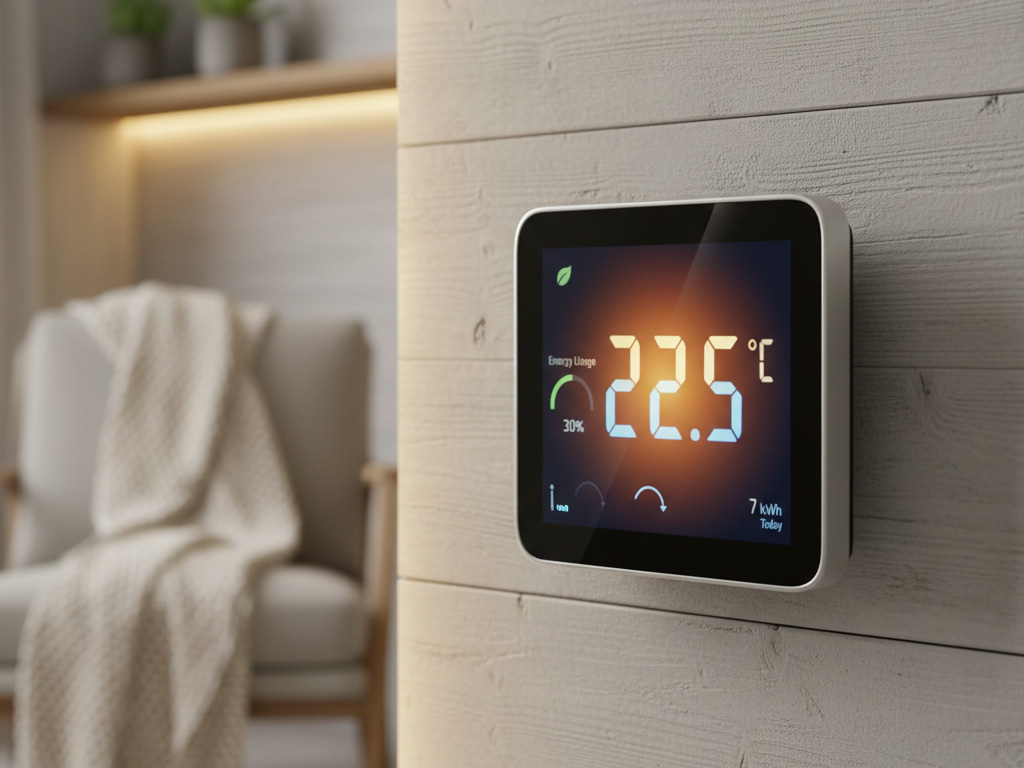
We verify the thermostat temperature reading against an independent thermometer (within 1 to 2°C) and confirm the furnace responds properly to heating demands. Wiring connections get checked for corrosion and loose terminals. On smart thermostats, we’ll review operating history for patterns — excessive cycling, long run times, error codes — that point to emerging problems.
What Maintenance Doesn’t Include
A standard tune-up is an inspection and cleaning service. If we find a failed component — cracked igniter, failing blower motor, worn gas valve — we’ll diagnose it and quote the repair. Parts replacement isn’t covered by the maintenance fee.
Duct cleaning is separate. Some companies bundle them, but they’re distinct services. AC maintenance is a separate spring visit. Furnace tune-ups happen in fall — ideally September or early October, before you need the heat.
How Much Does a Furnace Tune-Up Cost in the GTA?

A standard residential furnace tune-up runs $150 to $250 CAD across the Greater Toronto Area. That covers the full inspection, combustion analysis, cleaning, and a written report of findings.
Some HVAC companies offer annual maintenance plans around $12 to $18 per month, which bundle a fall furnace tune-up with a spring AC check and priority scheduling during peak season. If you have both a furnace and central air, the plan typically saves you $50 to $100 compared to booking each visit separately.
At First Choice Heating & Air Conditioning, we service Goodman, Lennox, Daikin, Amana, Rheem, Rinnai, Bradford White, and Clean Comfort equipment. As a Goodman Private Label Plus Dealer and Rinnai Pro, we know these systems inside out. But here’s what matters more: every tune-up is done by our own technicians. Not subcontractors. Not a third-party crew when we’re busy. Our people, trained by us, accountable to us. With many years serving Oakville, Mississauga, Burlington, and the GTA, 24/7 availability, and TSSA-certified technicians.
For maintenance or any furnace concerns, visit our heating services page or call 905-334-7885.
What You Can Do Between Professional Visits

Check the filter monthly. Replace it when it’s visibly dirty. This one habit prevents more service calls than anything else. The ASHRAE publishes filtration guidelines, but match the right MERV rating to your system’s fan capacity — MERV 13 in a system designed for MERV 8 restricts airflow and strains the blower.
Keep the area around the furnace clear. No boxes, paint cans, or cleaning chemicals within three feet. Fire hazard and airflow obstruction in one.
Listen to your furnace. You know what normal sounds like. Any new noise — banging, squealing, rattling — deserves attention. Sooner, not later.
Check exterior vents after heavy snowfall. Verify your furnace exhaust and intake pipes are clear. A blocked PVC intake causes shutdowns. A blocked exhaust causes carbon monoxide buildup inside the house. Two very different problems with the same root cause.
Watch your gas bills. A gradual increase without a change in habits signals declining efficiency. Mention it at your next tune-up.
FAQ
When should I schedule my furnace tune-up?
September or early October, before the heating season. Better availability then, and any problems get fixed before you need the furnace. Wait until November and you’re competing with emergency no-heat calls.
Can I do furnace maintenance myself?
Filter changes and visual inspections, yes. But combustion analysis, gas pressure testing, and heat exchanger inspection require specialized tools and training. In Ontario, gas work must be performed by a TSSA-licensed technician. The safety-critical components of a tune-up are specifically what make professional service worth the cost.
How often should a furnace be serviced?
Once per year, every year, for the life of the equipment. Skipping a year lets problems compound. A flame sensor that needed cleaning in year one becomes a cracked igniter and a failed flame sensor in year two — turning a $200 maintenance visit into a $400-plus repair call.
My furnace is brand new. Does it really need maintenance?
Yes. Most manufacturers require proof of annual professional maintenance to honour warranty coverage. Skip it, and a $1,200 blower motor replacement in year four comes out of your own pocket — whether you’re running a Goodman, Lennox, Daikin, or any other brand.
Find that sticker on the side of your furnace. Check the date. If it’s been more than a year — or if there’s no sticker at all — don’t wait until November when every HVAC company in the GTA is slammed with no-heat calls.
First Choice Heating & Air Conditioning offers furnace tune-ups across Oakville, Mississauga, Burlington, and the GTA. TSSA-certified technicians, 24/7 emergency service, and many years in the business. We use our own people on every call — never subcontracted. Book your tune-up online or call 905-334-7885.
About First Choice Heating & Air Conditioning: First Choice Heating & Air Conditioning provides residential heating and cooling services in Oakville and surrounding GTA communities, including furnace, air conditioning, heat pump, ductwork, water heater, and indoor air quality services.
Why Choose Us
We are leading HVAC company in GTA, specializing in the sales, installation, maintenance, and repairs of all HVAC units.