
Carbon Monoxide Furnace Safety: What Every GTA Homeowner Needs to Know
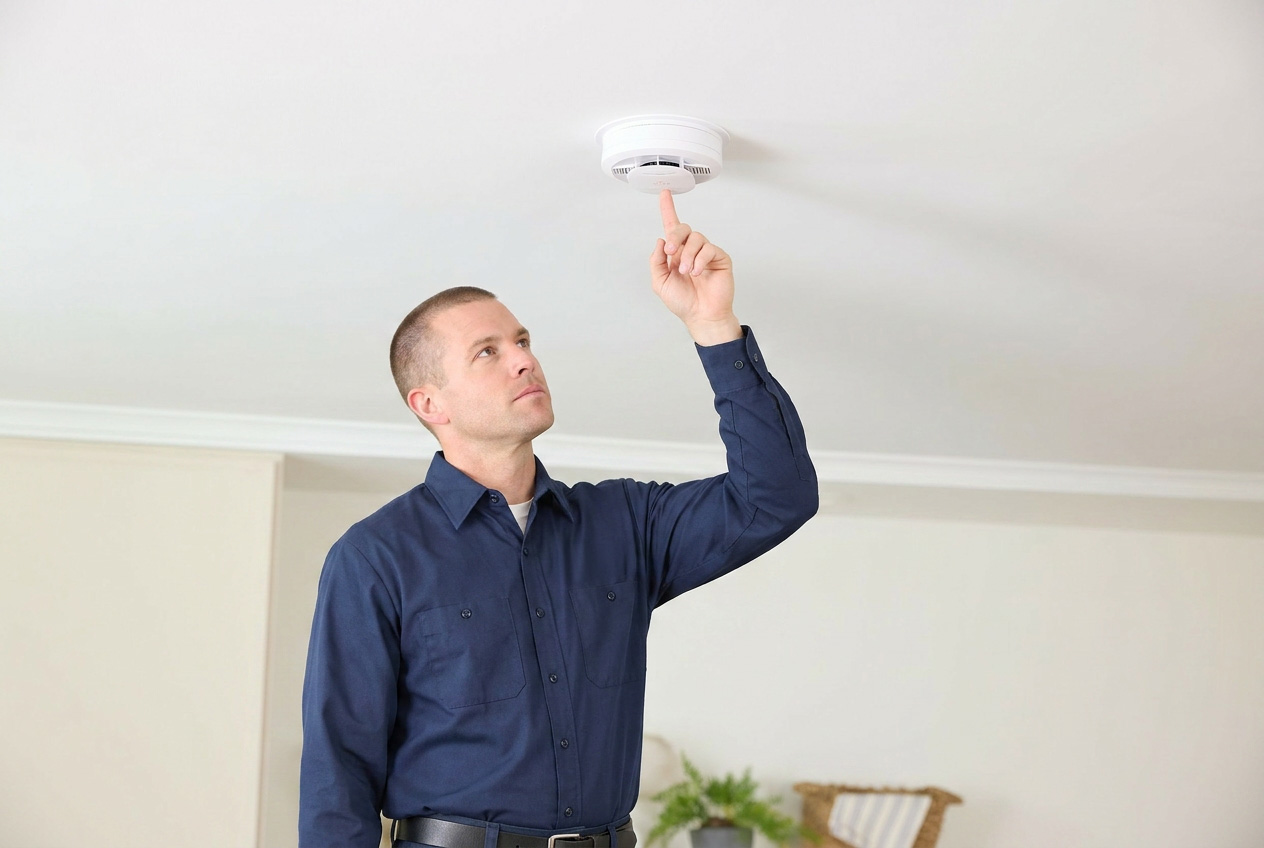
Four people in the ER. Same family. Same house.
I got the call about a week after it happened — the home inspector wanted a second opinion on a furnace red-tagged by the fire department. I drove to a Brampton townhouse on a freezing February morning and found a 17-year-old unit with a cracked heat exchanger.
The father told me the story. Headaches and nausea over three days. He assumed it was the flu. His wife noticed symptoms disappeared when they left the house and returned within an hour. She called her doctor, who said check the carbon monoxide detector.
They didn’t have one. It had been pulled during a basement reno two years earlier and never replaced. The fire department measured 85 ppm in the living area. Everyone was lucky to walk away.
My name’s Tony Marchetti. I’ve been an HVAC technician for over twenty years, I’m TSSA-certified, and I grew up in Woodbridge. I’ve inspected thousands of furnaces across Oakville, Mississauga, Burlington, and the GTA. Carbon monoxide isn’t a topic where half-measures belong, so I’m going to tell you straight what you need to know.
What Carbon Monoxide Does to Your Body
CO is a byproduct of incomplete combustion. Every gas furnace, water heater, and gas fireplace produces it in small amounts during normal operation. In a properly functioning system, those gases exit through the flue to the outdoors. None enters your living space.
The trouble starts when that containment breaks down.
CO is colourless, odourless, and tasteless. It binds to haemoglobin in your blood roughly 200 times more readily than oxygen, gradually starving your brain and organs while you feel progressively unwell.
According to Health Canada, CO poisoning sends approximately 300 Canadians to emergency departments each year and causes several deaths annually — the vast majority during heating season.
Symptoms of CO Poisoning
This is what trips people up. Low-level CO exposure produces symptoms that look exactly like the flu:
- Headaches that won’t go away
- Dizziness and light-headedness
- Nausea, sometimes with vomiting
- Fatigue and difficulty concentrating
- Chest tightness or shortness of breath
At moderate concentrations — 100 to 200 ppm — confusion and impaired judgment set in. Above 400 ppm, exposure can be fatal within hours. The worst part: low-level exposure over days or weeks causes chronic symptoms people blame on seasonal illness or stress.
One critical clue: if symptoms improve when you leave the house and return shortly after coming back, that’s a red flag. The mother in that Brampton family caught it. Most people don’t.
How Your Furnace Can Leak CO
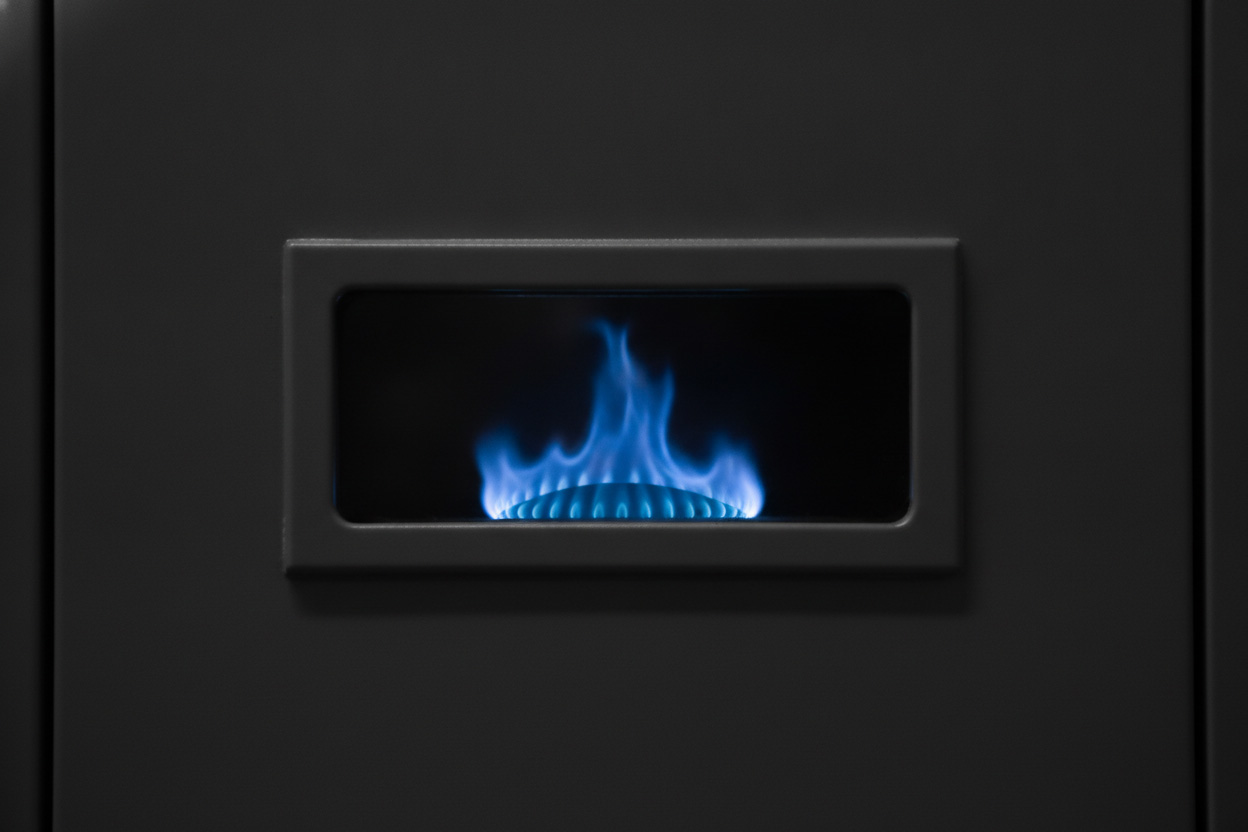
Three primary failure points, and I see all of them regularly.
Cracked heat exchanger. The most common and most dangerous source. The heat exchanger is a sealed metal chamber separating the combustion side from your household air. After 15 to 20 years of thermal cycling, metal fatigue creates microcracks. Combustion gases seep through directly into the air your blower distributes through every room. There is no safe repair — the unit must be replaced.
Blocked or damaged venting. Birds, squirrels, leaves, or ice can partially block the flue pipe that vents exhaust outdoors. A partial blockage creates back-pressure that forces combustion gases back through the furnace cabinet. In older GTA homes, chimney liners deteriorate and collapse over decades, restricting exhaust flow with no visible external sign.
Inadequate combustion air. Your furnace needs oxygen to burn gas properly. If the mechanical room gets sealed up too tightly during a basement reno — new walls around the furnace with no combustion air vents — the burners starve for air and produce dramatically higher CO concentrations. I’ve seen this exact code violation in homes across Oakville and Mississauga.
Ontario’s CO Detector Requirements
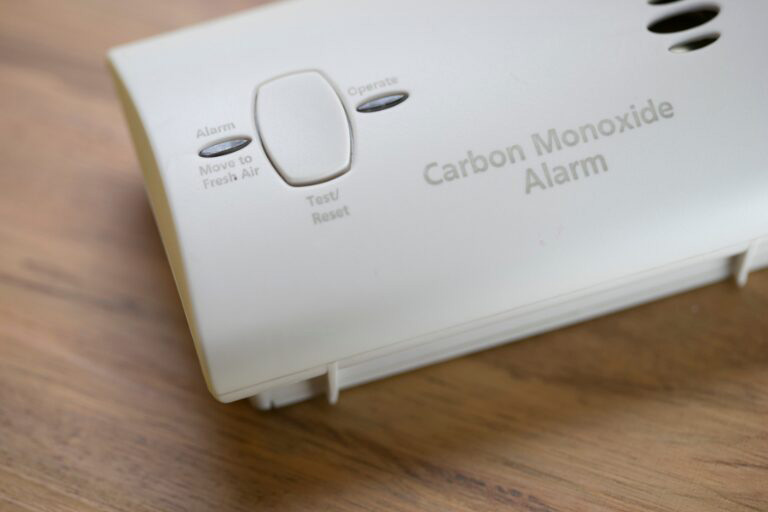
The Technical Standards and Safety Authority (TSSA) oversees fuel safety in Ontario, and under the provincial Fire Code, working carbon monoxide alarms are mandatory near all sleeping areas in any home with a fuel-burning appliance or attached garage. This is law.
Minimum requirements:
- One CO alarm outside each sleeping area
- One CO alarm on every storey of the home
- All alarms must be CSA-certified (look for the CSA logo)
- Battery-operated or hardwired with battery backup
- Replaced every 5 to 7 years per the manufacturer’s specifications
Combination smoke and CO alarms satisfy both requirements. You’ll find them at hardware stores for $30 to $60 CAD. A typical two-storey GTA home needs at least three units. If you rent, your landlord is legally obligated to install and maintain them. The Oakville Fire Department, Mississauga Fire and Emergency Services, and Burlington Fire Department all provide guidance on proper placement and can issue fines for non-compliance.
What to Do If Your CO Alarm Sounds
People hesitate, and that hesitation can be fatal. Here’s exactly what you need to know.
Intermittent chirping (every 30 to 60 seconds): Almost always a low-battery warning. Replace the batteries. If chirping continues, replace the unit.
Continuous alarm — four beeps, pause, repeat: This is the CO warning pattern on most detectors. Treat it as real every single time.
Immediate steps:
- Open windows and doors to ventilate
- Move everyone — including pets — outside immediately
- Call 911 from outside the home. Fire departments carry professional CO meters
- Do not re-enter until the fire department clears it
- Tell paramedics if anyone has headaches, dizziness, or nausea
Do not assume a false alarm. The consequences of ignoring a real one are irreversible. Treat every continuous CO alarm as genuine until proven otherwise by a professional.
How Annual Furnace Maintenance Prevents CO Leaks
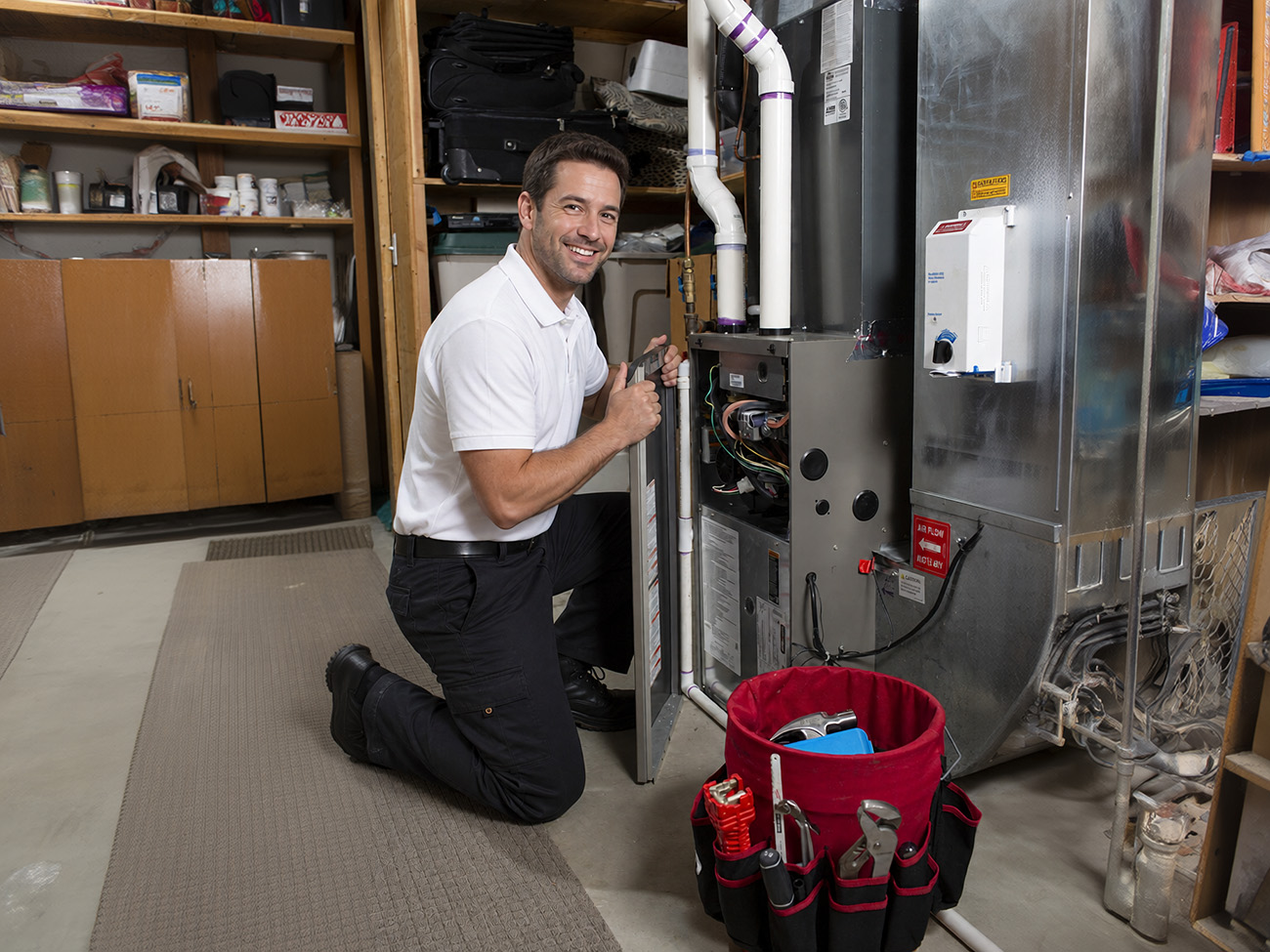
This is the part that actually stops problems before they start. A licensed HVAC technician performs specific checks during an annual inspection that directly address CO risk.
Heat exchanger inspection. Visual examination under strong light, mirror inspection of internal surfaces, and on older units, camera inspection for hairline cracks. Any crack means immediate shutdown and replacement.
Combustion analysis. A digital analyzer measures CO levels in the flue gas and at the furnace cabinet. Elevated CO in the flue points to incomplete combustion. CO at the cabinet suggests a heat exchanger breach or venting failure.
Venting inspection. Checking flue pipes, exhaust terminations, and intake piping for obstructions, corrosion, and secure connections.
Combustion air verification. Confirming adequate ventilation per code, which is especially important in recently renovated homes.
The Technical Standards and Safety Authority requires gas appliance installations to be performed by TSSA-certified technicians and inspected under permit. This isn’t bureaucracy — it’s the framework that catches the defects that cause CO leaks.
At First Choice Heating & Air Conditioning, every furnace we install or service gets a full combustion analysis. It’s standard, not optional. As a Goodman Private Label Plus Dealer and Rinnai Pro with over 20 years in the GTA, we work with brands like Goodman, Lennox, Daikin, Amana, Rheem, Rinnai, Bradford White, and Clean Comfort. Our technicians are TSSA-certified and employed directly by us — never subcontracted. We’re also backed by 43 five-star Google reviews from homeowners across the region.
A professional furnace inspection runs roughly $150 to $200 CAD. That’s a small price compared to an emergency room visit or an unplanned furnace replacement in the middle of January. More to the point, it’s the difference between catching a cracked heat exchanger on a routine Tuesday afternoon and catching it when the fire department is already at your door.
For maintenance, inspections, or any furnace concerns, visit First Choice Heating & Air Conditioning.
FAQ
How often should I replace my CO detectors?
Every 5 to 7 years according to the manufacturer’s rated lifespan. The sensing element degrades over time and an old detector may fail to register dangerous CO levels. Flip the unit over and check the manufacture date stamped on the back. Make it part of your fall routine alongside checking your furnace filter.
Can a brand-new furnace produce dangerous CO levels?
Uncommon but possible, usually from a defective installation — incorrect gas pressure, venting errors, or a heat exchanger flaw. This is why Ontario requires permits and inspections for all furnace installations. A TSSA-certified technician from a reputable company won’t cut corners on commissioning and combustion testing.
My CO detector reads 0 ppm. Am I safe?
Most residential detectors won’t alarm until sustained levels exceed 30 to 70 ppm. Zero means levels are below the sensor’s threshold, which is reassuring but not a guarantee. Professional combustion analyzers detect concentrations as low as 1 ppm. Annual testing remains the best way to catch problems early.
What should I do if I suspect CO but the detector hasn’t sounded?
Don’t wait for the alarm. If multiple household members have persistent headaches, nausea, dizziness, or unexplained fatigue — especially if symptoms improve outside the home — get everyone out and call 911. Tell the dispatcher you suspect CO exposure. Then have a TSSA-certified technician inspect your furnace and all gas appliances.
Does a heat pump eliminate CO risk?
Heat pumps and electric furnaces produce zero combustion gases, so they pose no CO risk themselves. However, if you have other gas appliances — a gas water heater, gas fireplace, gas range, or an attached garage — Ontario’s Fire Code still requires CO detectors in your home.
Walk to the nearest CO detector in your house right now. Press the test button. If it beeps, it’s working — but check that manufacture date on the back. If it doesn’t beep, or if you don’t have a detector at all, that’s the single most important thing you fix today.
If your CO alarm sounds or you suspect a furnace problem, don’t wait — First Choice Heating & Air Conditioning offers 24/7 emergency service. Call 905-334-7885 or book an inspection online. TSSA-certified, backed by 43 five-star Google reviews, serving Oakville, Mississauga, Burlington, and the GTA for over 20 years with our own experienced technicians — never subcontracted.
About the Author: Tony Marchetti is a TSSA-certified HVAC technician with over 20 years of experience servicing residential and commercial heating systems across the Greater Toronto Area. Born and raised in Woodbridge, Ontario, Tony has inspected and maintained thousands of gas furnaces, water heaters, and ventilation systems throughout Oakville, Mississauga, Burlington, and the surrounding GTA. He specializes in combustion analysis, carbon monoxide safety, and high-efficiency furnace installations.
Why Choose Us
We are leading HVAC company in GTA, specializing in the sales, installation, maintenance, and repairs of all HVAC units.