
Central Air vs. Ductless Mini-Split: Which Is Right for Your GTA Home?
At First Choice Heating & Air Conditioning, we help homeowners across Oakville, Mississauga, Burlington, and the GTA choose the right cooling system every summer. We’re a TSSA-certified licensed HVAC contractor. After years of crawling through attics in July and basements in January, we’ve formed some strong opinions about what works and what doesn’t.
Two quotes sitting on a kitchen counter last summer. Central air: $4,800. Ductless mini-split: $7,200 for three indoor units. A homeowner in Mississauga wanted to know which was the better deal. Our answer surprised her. It wasn’t about the price. It was about her house.
The Fundamental Difference Most People Miss
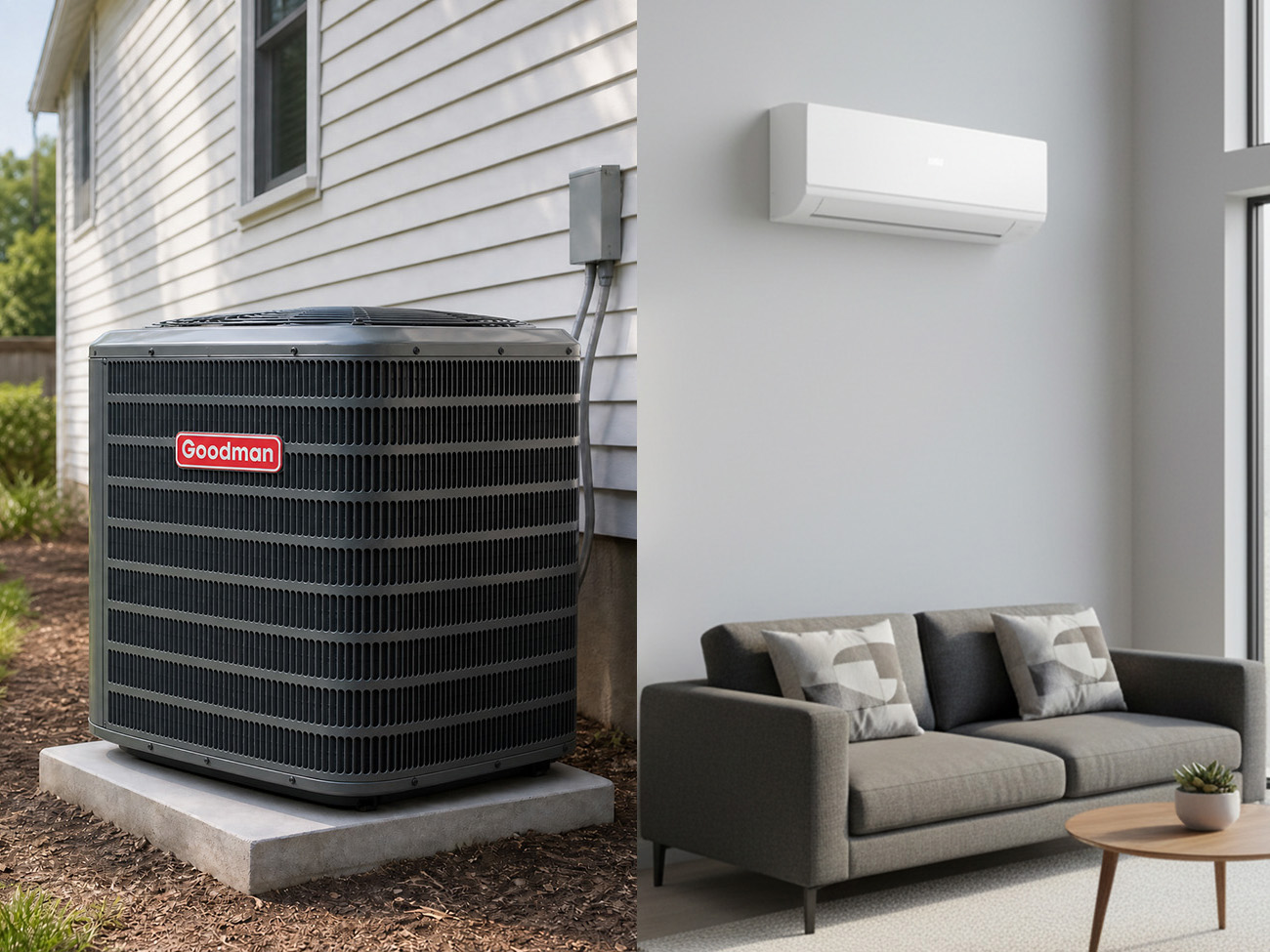
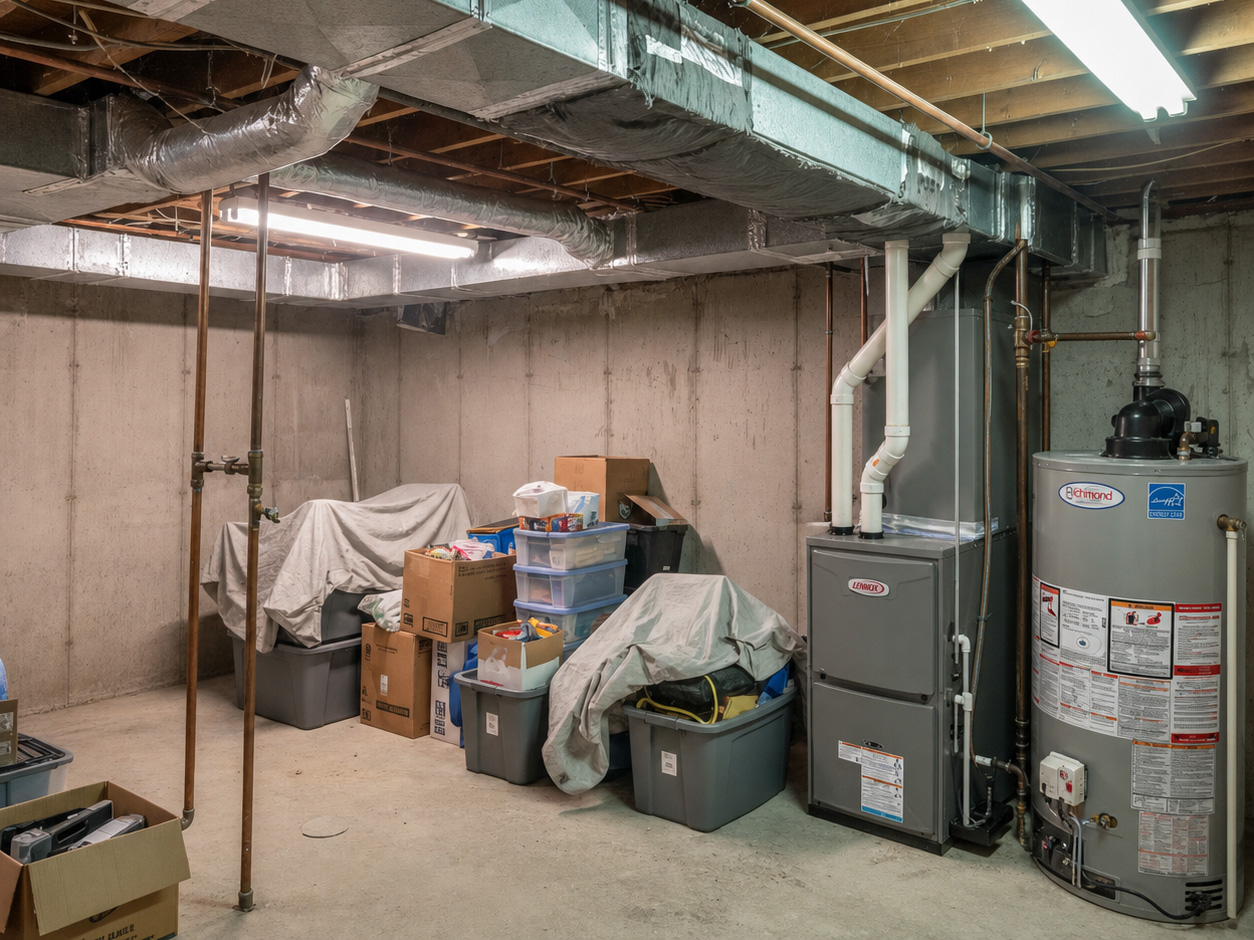
Central air conditioning uses your existing ductwork to push cooled air through every room in the house at the same time. One outdoor condenser, one indoor evaporator coil mounted on your furnace, and a network of ducts carrying air wherever it needs to go.
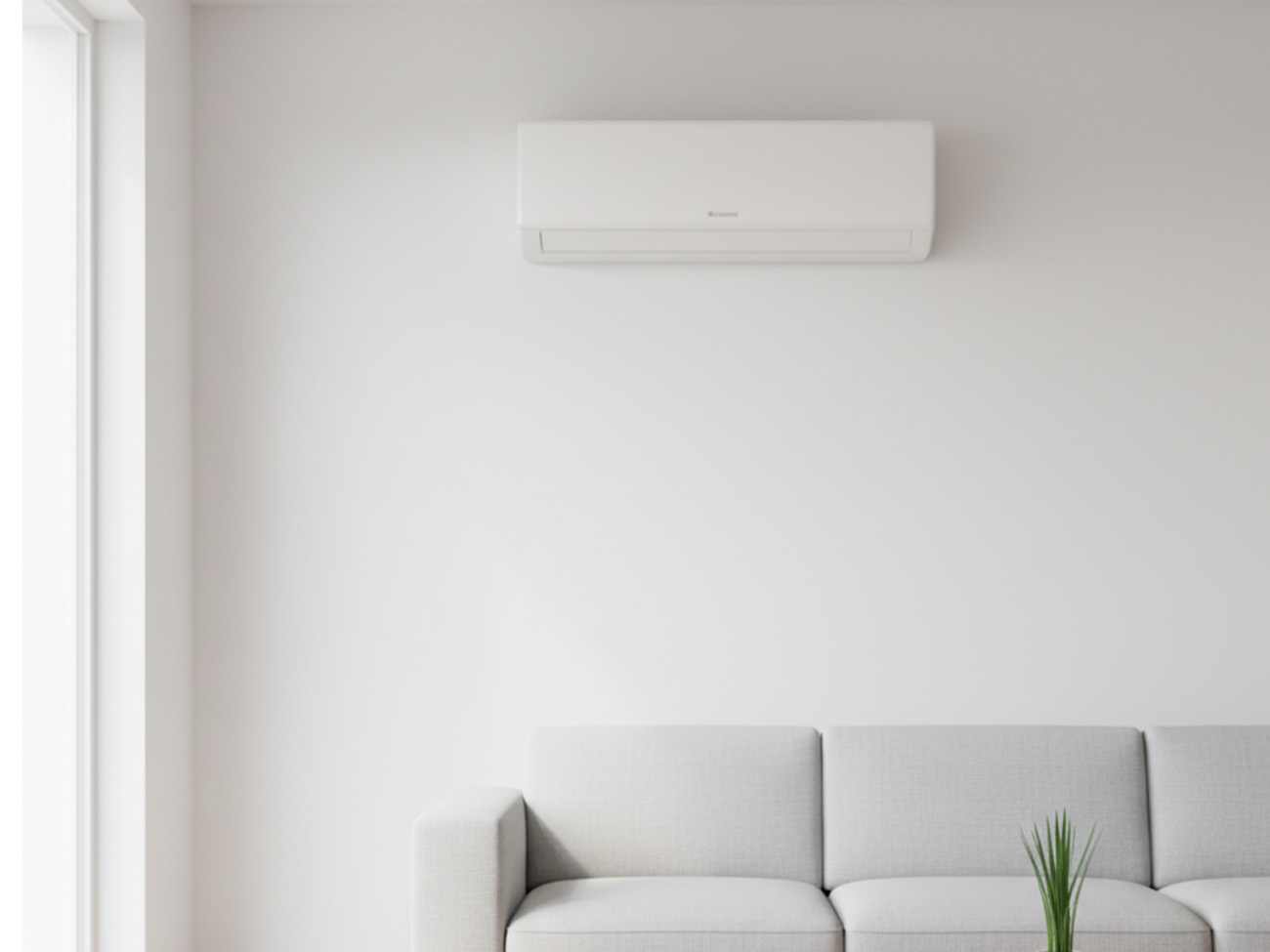
A ductless mini-split takes a totally different approach. One outdoor compressor connects to individual wall-mounted units inside specific rooms. No ducts. Each indoor unit controls the temperature in its own zone independently.
That distinction sounds simple. But it changes everything about cost, efficiency, comfort, and how complicated the installation becomes.
Cost Comparison: What GTA Homeowners Actually Pay
| Central Air | Ductless Mini-Split | |
|---|---|---|
| Equipment + install (single zone) | $3,000–$5,500 | $3,500–$5,000 |
| Whole-home (3–4 zones) | $4,500–$8,000 | $8,000–$15,000 |
| Annual operating cost | $400–$700/summer | $300–$550/summer |
| Maintenance | $150–$200/year | $200–$350/year (per zone) |
| Lifespan | 15–20 years | 15–20 years |
These are 2026 prices for the Greater Toronto Area, labour included. The numbers shift depending on brand, efficiency rating, and installation complexity. But the pattern holds. Central air costs less upfront for whole-home cooling. Ductless costs less to operate but carries a steeper price tag with multiple zones.
Your Home Has Ducts? Central Air Is Almost Always the Move
If your home already has ductwork from your furnace system, central air is almost always the more cost-effective choice. The ducts are there. The furnace blower is there. You’re adding a condenser outside and an evaporator coil inside, a straightforward installation that we handle in a single day at First Choice.
Central air cools your entire home evenly. Set it to 22°C and every room with a supply vent gets conditioned air. For families where everyone’s home during the day, that blanket coverage makes life simple. No fiddling with individual room temperatures, no dead zones, no arguments about who gets the cool room.
Brands like Goodman and Amana sit in the $3,000–$4,500 range for a complete central AC install and deliver reliable cooling at 14.3–16 SEER2 efficiency. As a Goodman Private Label Plus Dealer, First Choice offers extended labour warranties of 5 or 10 years on select Goodman models, well beyond what most contractors provide. If you want quieter operation and better humidity control, stepping up to a Daikin or Lennox two-stage system lands between $5,000 and $7,500. Every brand First Choice installs comes with a standard 10-year parts warranty.
The catch? Ductwork has to be in decent shape. Leaky ducts bleed conditioned air into crawl spaces and attics. According to Natural Resources Canada, duct leaks waste 20–30% of cooled air before it reaches your living space. Get a professional inspection before installing central air if your ducts are older.
Three Situations Where Ductless Beats Central
Not every home fits the central air mould. Three scenarios where ductless wins.
Older homes without ductwork. Plenty of homes in Oakville’s older neighbourhoods were built with hot water radiators or baseboard heaters. No ducts exist. Retrofitting a full duct system costs $3,000–$7,000 on top of the AC equipment. A ductless system sidesteps that entire expense.
Home additions and converted spaces. Finished basements, attic conversions, sunrooms, above-garage apartments. Running ductwork to these spaces is expensive and sometimes impossible without tearing into finished walls. A single ductless head unit solves the problem for $3,500–$5,000.
Zone control for uneven temperatures. That two-storey home where the upstairs is always five degrees warmer than the main floor? Ductless units in the problem rooms give you independent temperature control. Run them only when needed. According to NRCan, many ductless systems are rated at 20+ SEER2, significantly higher than most central air units, which means lower electricity costs for each room you’re actually cooling.
Daikin is the ductless brand we install most at First Choice, and for good reason. Their cold-climate heat pump models double as both coolers and heaters, providing cooling in summer and heating down to −25°C in winter. That dual functionality can eliminate the need for a second heating system entirely. We’re also a Rinnai Pro dealer, so if your situation calls for a tankless water heater to pair with a new cooling setup, we handle that under one roof too.
The Hybrid Approach Nobody Talks About
Here’s what that Mississauga homeowner actually ended up doing. Central air for the main floor and basement (she had existing ductwork), plus one Daikin ductless head unit in the master bedroom upstairs where the existing ducts couldn’t deliver enough airflow.
Total cost: $6,800. Less than the full ductless quote. Better comfort than central air alone.
This hybrid approach is becoming more common across the GTA, especially in two-storey homes built before 2000. The ground floor ductwork handles the heavy lifting and a single ductless unit tackles the problem zone.
Need help figuring out which setup makes sense for your home? First Choice can assess your ductwork and layout and walk you through the numbers for both options.
Efficiency and Long-Term Operating Costs
Central air systems in the mid-range efficiency bracket (16–18 SEER2) cost roughly $400–$700 per summer to run in an average GTA home. Ductless systems rated at 20+ SEER2 pull that down to $300–$550 for comparable cooling.
The savings sound significant. But context matters. Running ductless in two rooms shifts the per-room cost in your favour even further. Running five ductless heads to cool an entire house, though, and maintenance climbs fast. Each unit has its own filter, its own coil, and its own annual service requirement.
HRAI publishes solid data on residential cooling efficiency. Ductless wins on efficiency per zone, central air wins on simplicity and maintenance for whole-home coverage. The Ontario government’s Save on Energy program also offers rebates on high-efficiency HVAC equipment, which can offset some of the upfront cost difference.
A Reddit thread in r/HVAC put it bluntly: “Ductless is great until you have six wall units to clean every month.”
FAQ
Can I use a ductless mini-split as my only heating and cooling system?
Yes, if you choose a cold-climate heat pump model. Daikin’s cold-climate models heat efficiently down to −25°C, which covers even the coldest Ontario nights. For homes without gas service, a ductless heat pump can replace both the furnace and the AC. Energy Star Canada lists qualifying models that meet strict efficiency standards for Canadian winters.
How many ductless units do I need to cool my whole house?
Typically one unit per major room or zone. A 1,500 sq ft bungalow might need three units. A two-storey 2,500 sq ft home could need four to five. Each unit adds $3,000–$5,000 to the total, which is why whole-home ductless gets expensive fast.
Do ductless mini-splits look ugly on the wall?
Modern indoor units are slim and minimalist. Daikin and Amana models measure roughly 12 inches high by 32 inches wide. Most homeowners stop noticing them within a week. Ceiling cassette and ducted mini-split options exist if wall-mounted units bother you, though they cost more.
Which system is better for resale value?
Central air is the safer bet for resale. Most Ontario buyers expect it. A home listed with “central AC” is easier to market than one with “ductless mini-splits in three rooms.” That said, a well-installed ductless system in a home without ducts is a strong selling point, because the buyer won’t need to spend $10,000+ retrofitting ductwork.
Our Honest Take: Which One Should You Pick?
If you have ductwork already, go central air. It’s cheaper, simpler, and cools the whole house without hassle. Goodman and Amana offer excellent value for typical Ontario homes. Step up to Daikin or Lennox if you want premium comfort and quieter operation.
If your home has no ducts, or specific rooms never get cool enough, go ductless. Daikin makes some of the best cold-climate mini-splits on the market, and a single head unit in a problem room is often cheaper than re-engineering your entire duct system.
Somewhere in the middle? The hybrid approach, central air for the main living areas plus a single ductless unit for the trouble zone, has worked brilliantly for dozens of our customers across the GTA.
Walk through your house and count the supply vents. If every room has one and air flows when the furnace runs, central air is your path of least resistance. If you find rooms with no vents, or rooms where the existing ducts just can’t keep up, a ductless unit or the hybrid approach might save you thousands compared to a full duct retrofit.
Whatever direction you go, make sure you’re working with a contractor who installs both systems. Some companies push one system because that’s all they carry. First Choice Heating & Air Conditioning installs both central and ductless systems, and we’ll tell you straight which one fits your home. With years serving Oakville, Mississauga, Burlington, and across the GTA, we’re a TSSA-certified licensed HVAC contractor and certified gas technician team. Every installation is done by our own technicians, never subcontracted out. We’re also here 24/7 for emergency calls, because AC failures don’t wait for business hours.
Call us at 905-334-7885 or get a free quote online.
About First Choice Heating & Air Conditioning
First Choice Heating & Air Conditioning provides residential heating and cooling services in Oakville and surrounding GTA communities, including furnace, air conditioning, heat pump, ductwork, water heater, and indoor air quality services.
Why Choose Us
We are leading HVAC company in GTA, specializing in the sales, installation, maintenance, and repairs of all HVAC units.